
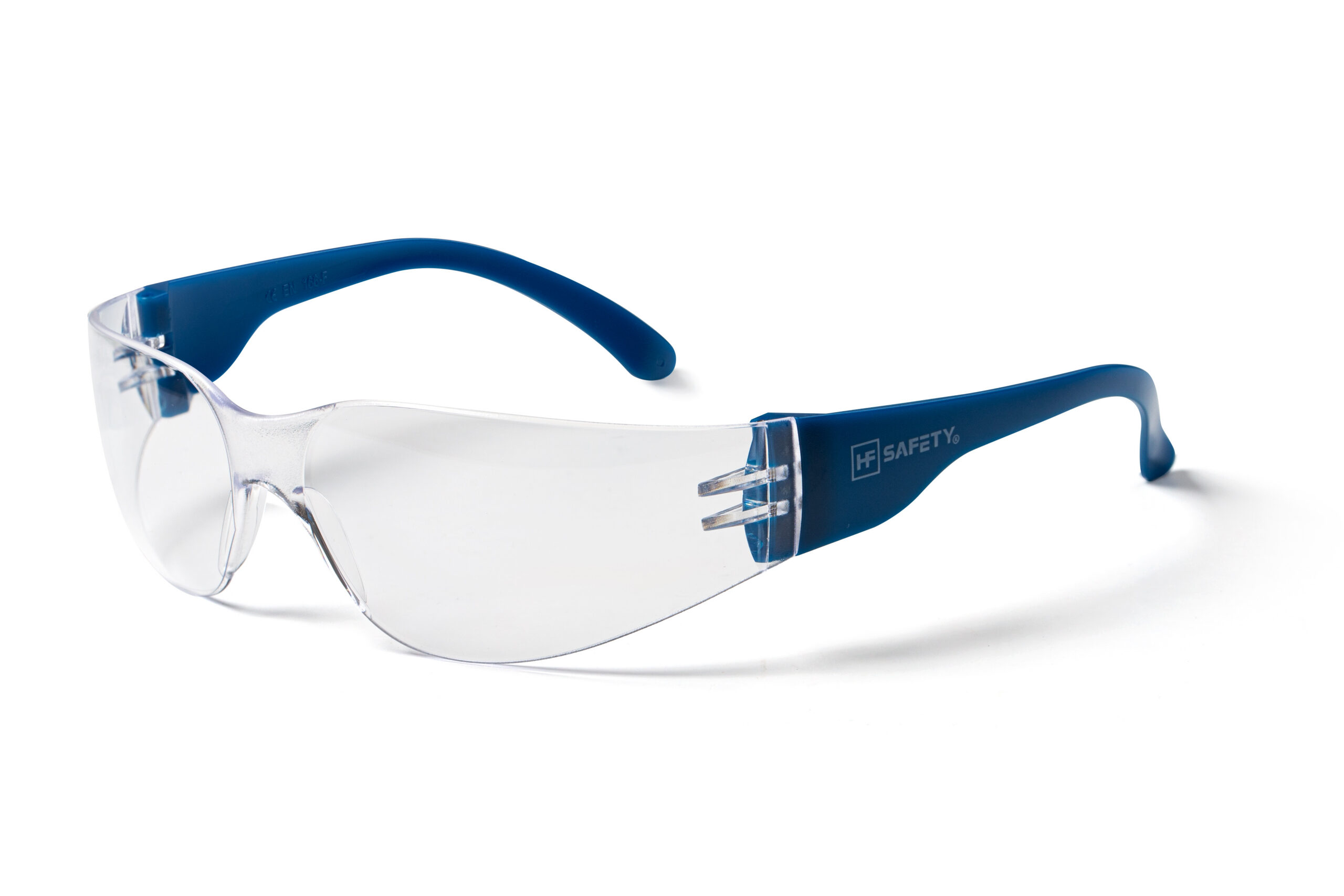
Safety glasses
BHPedia:
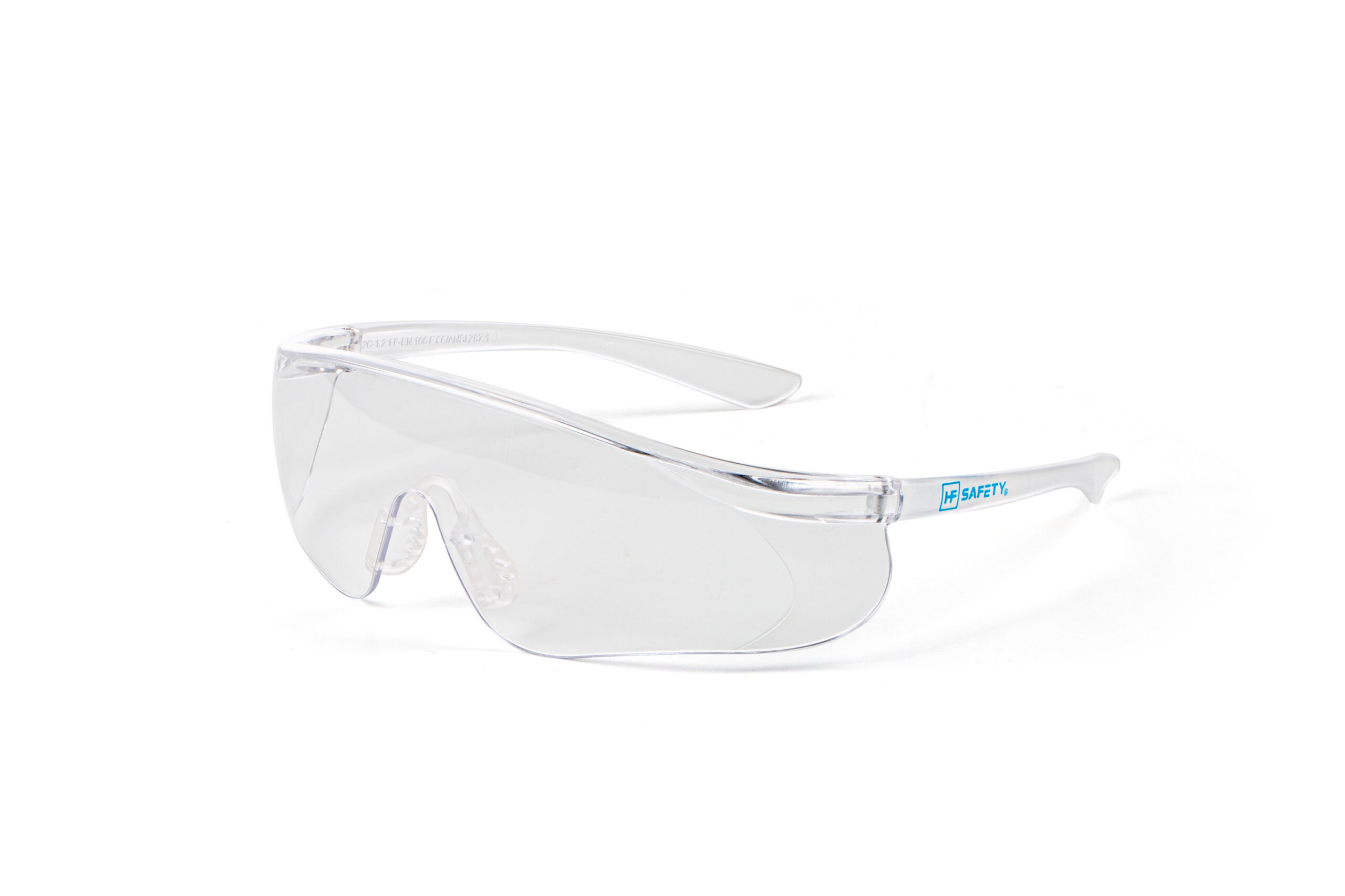
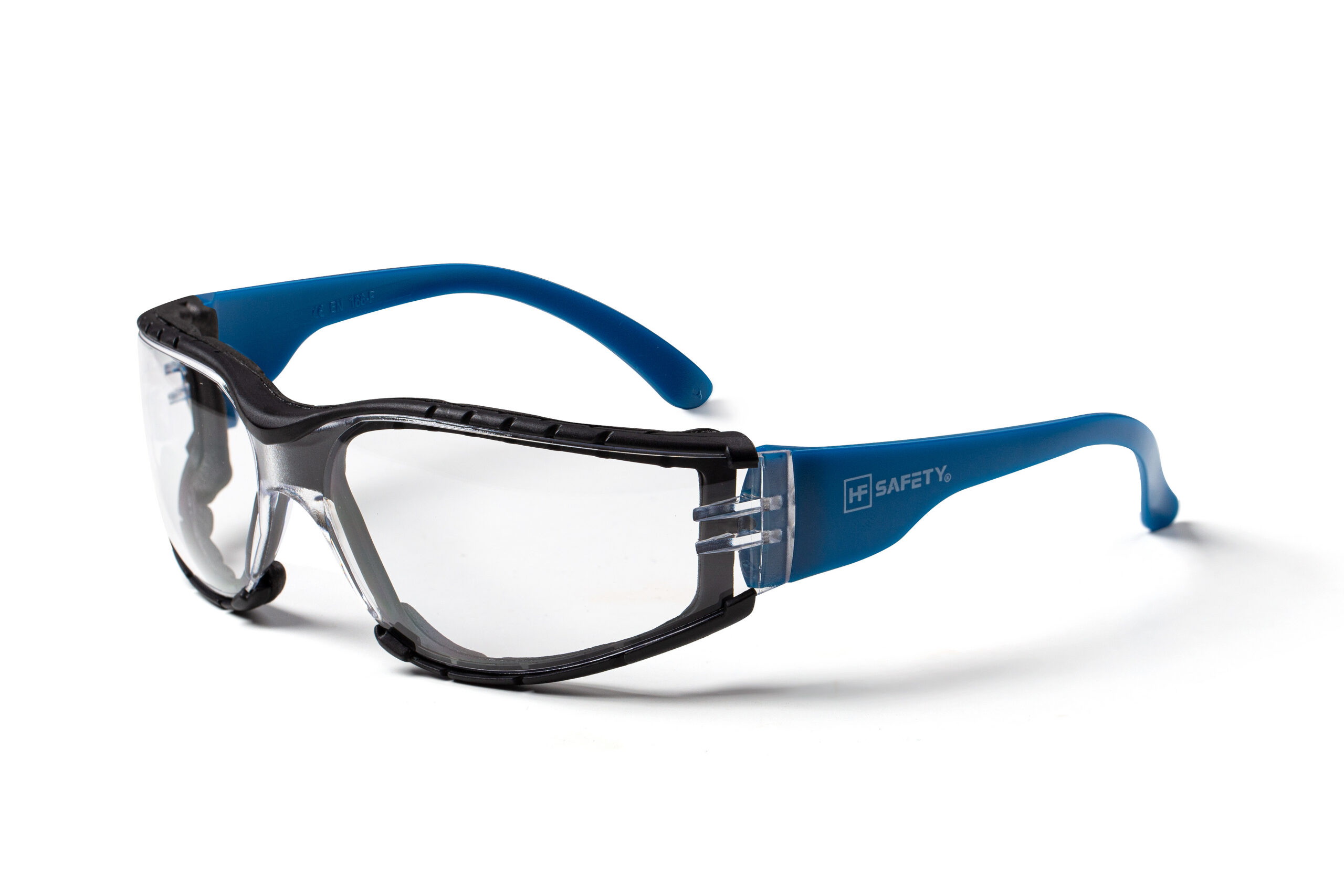
LOGAN anti-fog glasses with side shields
AQUILA Wearable Glasses with Prescription Glasses
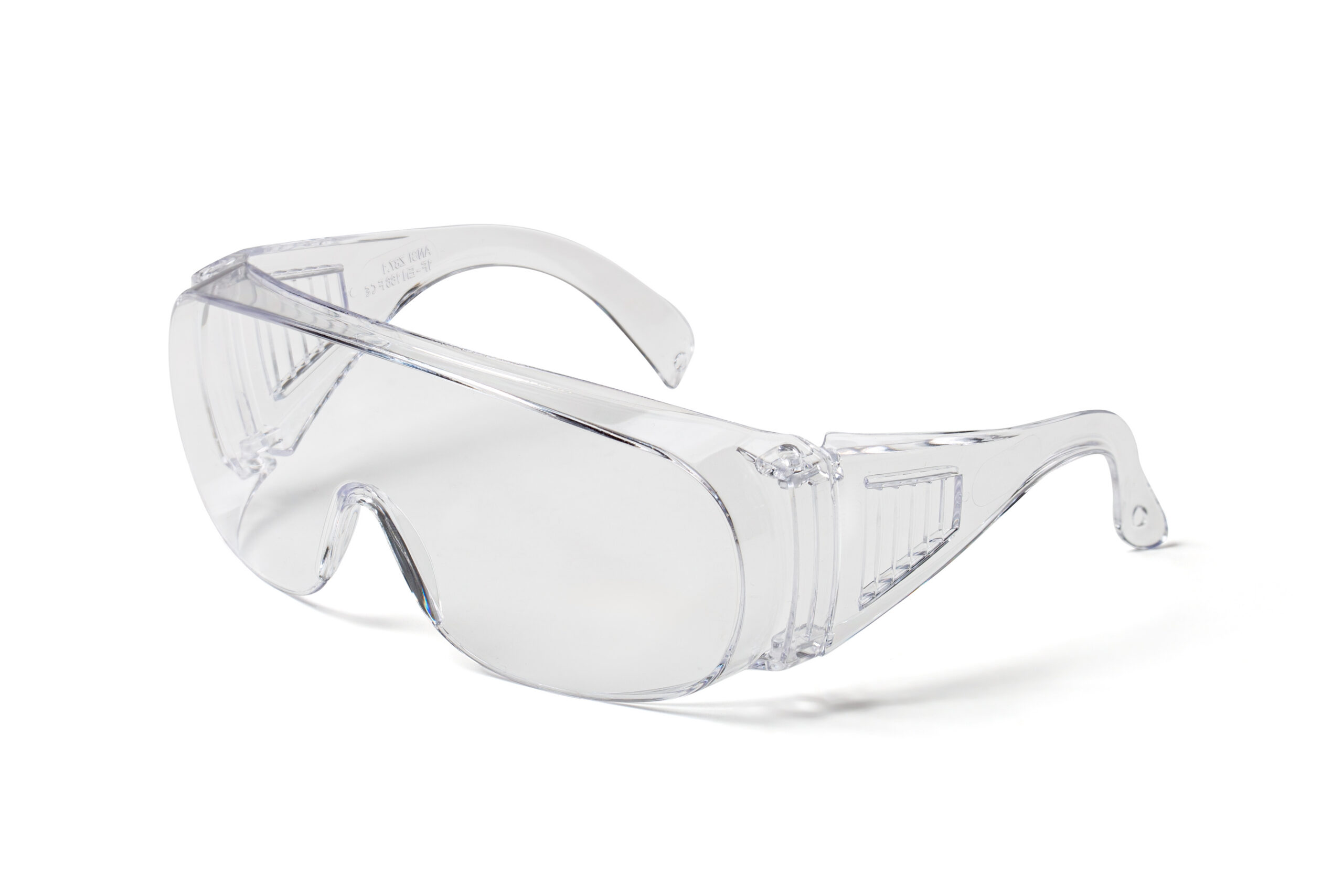
VISTA GUARD glasses with the highest UV protection
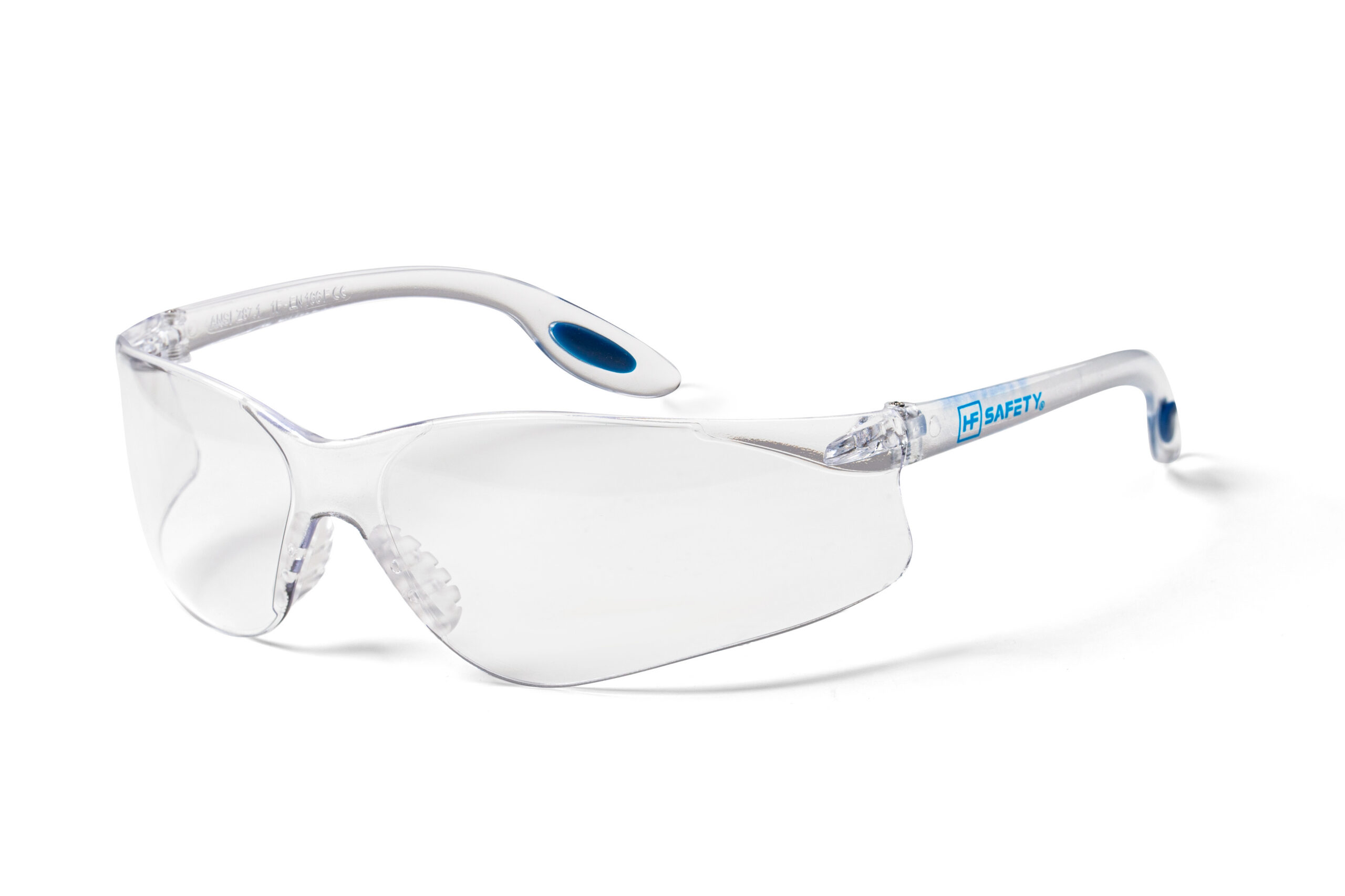
Anti-splinter anti-splinter glasses AQUILA SHEER
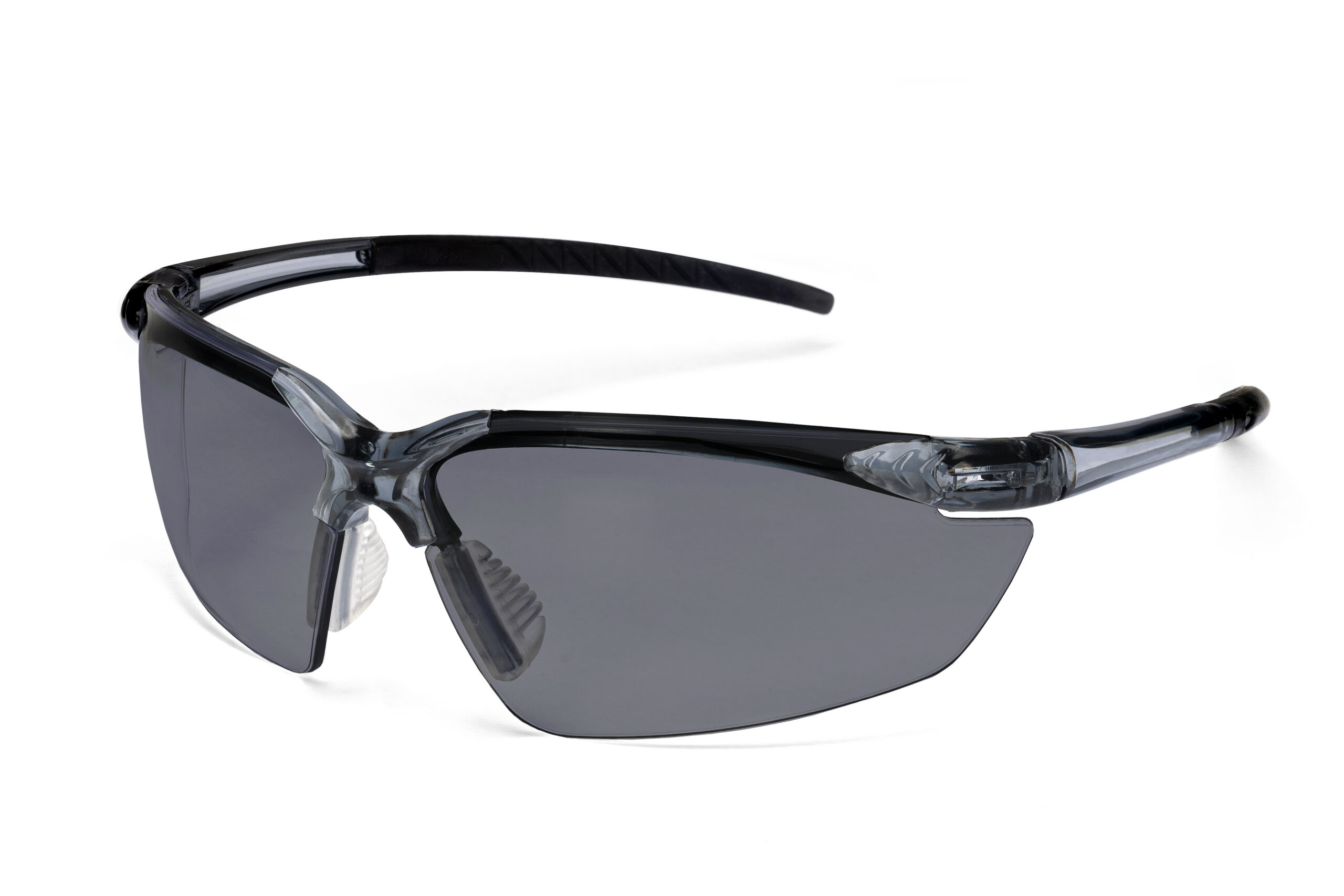
Scratch-resistant, fog-free VEXA SMOKE glasses
Contact Our Specialist
Have questions? Want to learn how we can tailor HSE solutions for your company?
Leave your contact details, we’ll call you back
Tomasz Nowak
Consultant

Protective Eyewear – Essential Eye Protection in the Workplace
The eyes are among the most complex organs in the human body. More than 80% of the information we receive about the world around us comes through vision. At the same time, eye injuries remain a common cause of workplace accidents.
The risk affects many industries, from heavy industry and agriculture to laboratory work. A lack of proper eye protection can lead to serious injuries, including chemical burns, mechanical corneal damage, or retinal injury. That is why every worker exposed to such hazards should be equipped with suitable protective eyewear adapted to the specific working environment and compliant with relevant safety standards.
Safety Glasses, Goggles and Face Shields – Eye Protection for Different Workstations
A wide range of personal protective equipment (PPE) is available on the market to help prevent injuries to the face and eyes in the workplace. These products are used across many industrial sectors.
The risk of eye and facial injuries is especially high in industries such as metallurgy and construction, where workers are exposed to numerous hazardous factors. For this reason, the use of appropriate protective equipment is mandatory in many working environments.
Eye and face protection should be used whenever there is a risk of injury caused by mechanical hazards such as flying particles, debris, or accidental impacts with equipment and workplace structures. In the case of welders and foundry workers, ultraviolet and infrared radiation present additional serious risks. Similar dangers also occur when working with chemical or biological substances, where exposure may lead to burns, irritation, or infection.
To minimize the risk of eye injuries, appropriate PPE must be used. A common component in most eye protection products is the protective lens. Since its primary role is to shield the eyes from impacts, it is often referred to as an anti-impact lens. If the lens also provides filtering properties, for example reducing ultraviolet radiation, it also functions as a protective filter.
European Standard EN 166 – General Requirements for Personal Eye Protection
The general requirements for personal eye protection are defined by EN 166. This standard applies to all types of personal eye protection used against hazards in industrial, laboratory, and similar environments. It does not apply where more specific standards exist, provided those standards refer to EN 166.
Products compliant with DIN EN 166 consist of frames and lenses, which may be further classified under other standards as either protective lenses or filtering lenses.
There are many types of protective eyewear available, each designed for different hazards and working conditions. Every type offers a different level of protection and specific features, allowing users to select the most suitable solution for a given task or workstation.
Among the most common PPE products are anti-impact safety glasses. These are used in environments where there is a risk of mechanical damage and provide protection against airborne particles such as dust, metal shavings, and sawdust.
HF Safety Protective Eyewear Models
Among the PPE products available on the market are AQUILA SHEER safety glasses by HF SAFETY. These anti-impact, anti-fog safety glasses combine reliable protection with a modern, sporty design.
Featuring curved polycarbonate lenses, a lightweight frameless construction, soft nose pads, and anti-slip temples, they provide both comfort and safety. Their high level of comfort and versatility makes AQUILA SHEER suitable for a wide variety of working environments.
Another excellent option is the LOGAN model, also designed in a sporty style with curved lenses and side shields. Made from polycarbonate and equipped with anti-fog and scratch-resistant lenses, these glasses fit closely to the temples, helping to protect against impacts while offering a wider panoramic field of vision. Comfortable temples and flexible, soft nose pads ensure all-day wearing comfort.
For workstations where there is a risk of eye injury from filings or small particles, HF SAFETY also offers VISTA GUARD. These safety glasses feature curved lenses and integrated side protection. Exceptionally lightweight and ergonomically designed, they provide outstanding user comfort. The foam seal between the lenses and the user’s face improves fit and tightness, offering enhanced protection against potential eye injuries.
Specialist Safety Eyewear – Extra Protection for Sensitive Eyes
The eyes are highly sensitive and vulnerable to irritation. They can be easily damaged by contact with chemical vapors, fumes, and airborne hazardous substances.
For this reason, workplaces where such exposure is possible require specially designed protective eyewear that acts as a barrier against dangerous substances while maintaining comfort during use.
Chemical safety goggles are essential wherever corrosive substances or toxic gases are used as reagents. They are also commonly worn by laboratory technicians handling medical samples and employees working in industrial research facilities.
A separate category includes welding safety glasses, specifically designed to protect the eyes from intense light, sparks, and radiant energy during welding operations. These products usually feature special filters and darker lenses that help minimize exposure to harmful UV and IR radiation.
Electricians also require appropriate eye protection. Safety glasses for electricians often have antistatic and non-conductive properties, reducing the risk of electrostatic discharge, which can be dangerous in electrically sensitive environments.
In workplaces exposed to dust, gases, or chemicals, protective goggles are often the most effective solution. Thanks to their close fit around the face, they provide a high level of eye protection in demanding working conditions.
The selection of suitable eye protection should always be based on applicable safety standards, ensuring that the chosen product has been properly tested and meets the required level of performance.
Eye Protection for Welding and Exposure to Solar Radiation
Eye protection used for welding and flame cutting is covered by EN 169. Eyewear used in these applications must feature appropriate filters to prevent infrared (IR) and ultraviolet (UV) radiation from reaching the eyes.
EN 170 defines the requirements for eyewear protecting against ultraviolet radiation. It is primarily used for glasses intended for outdoor work, where the eyes are exposed to prolonged sunlight.
EN 172 applies to eyewear designed to protect against solar radiation in industrial environments. The requirements of this standard are stricter than those of EN 170 and focus on limiting access to harmful radiation in professional use.
Choosing the Right Safety Glasses – The Foundation of Effective Eye Protection
Occupational health and safety is the foundation of employee protection, especially in industrial, construction, and laboratory sectors. Eye protection plays a key role because vision is extremely vulnerable to both mechanical injuries and exposure to hazardous chemicals.
Protective eyewear is an essential part of personal protective equipment, helping to prevent serious eye damage. Choosing the right model in accordance with current safety standards ensures effective eye protection and reduces the risk of workplace accidents.
However, eye protection at work is not only a matter of regulatory compliance — it is above all a matter of health and safety. Selecting the right protective eyewear in line with applicable standards helps minimize risks and prevent severe injuries.
Regular health and safety training, together with proper use and maintenance of protective equipment, should be standard practice in every workplace where the eyes are exposed to hazardous conditions. Compliance with safety rules is key to both comfort and efficiency at work.
Other Types of Face and Eye Protection
Face Shields
Face shields are personal protective equipment made from materials such as polycarbonate or metal mesh. They may also be fitted with filters to protect against harmful radiation.
Depending on their design and material, face shields are suitable for use in a variety of working environments, including workplaces where employees may come into contact with chemicals or flying solid particles. Face shields may also protect the chin and neck.
Mounted either on a standalone headgear system or directly on a safety helmet, they can provide protection against low-, medium-, or high-energy impacts, depending on the thickness and construction of the material.
Welding Helmets
Welding helmets are personal protective equipment designed to protect the face and eyes from hot sparks, molten splashes, and harmful radiation generated during welding.
A welding helmet typically consists of a shell, lens frame, and filter. It may be worn using its own headgear or mounted onto a safety helmet. The mounting system usually allows the visor to be lifted or tilted when not in use.
Thanks to replaceable filters, users can choose the appropriate shade level depending on the welding method and intensity. The PPE market also includes auto-darkening welding helmets, which automatically adjust the filter shade during operation.
Protective Hoods
Protective hoods are PPE products designed to protect the eyes, face, head, and neck. They are commonly used in industries such as metallurgy, where workers are exposed to high temperatures and splashes of molten metal.
Foundry hoods are specifically designed for environments with intense thermal radiation, such as metal smelting operations.
Hand Shields for Welding
Welding hand shields are personal protective equipment designed to protect the eyes, face, and neck. They consist of a body, lens frame, filter, and handle.
Fitted with replaceable filters, they allow the user to select the appropriate shade level for the type and intensity of the welding task being performed.
Need help?
We're here to support you.

Contact Us

BHPedia
Standards, PPE insights
and HSE solutions from HF SAFETY

GUIDES
Articles and practical knowledge about workplace safety

Shop online
PPE for You